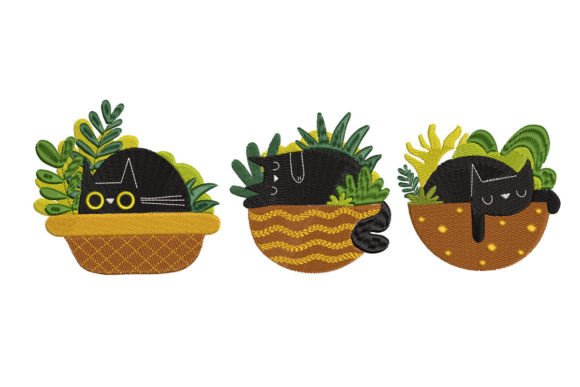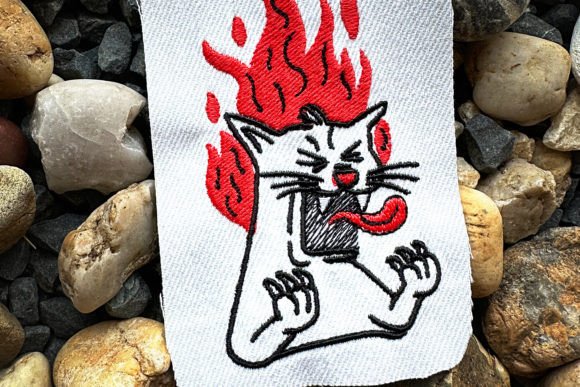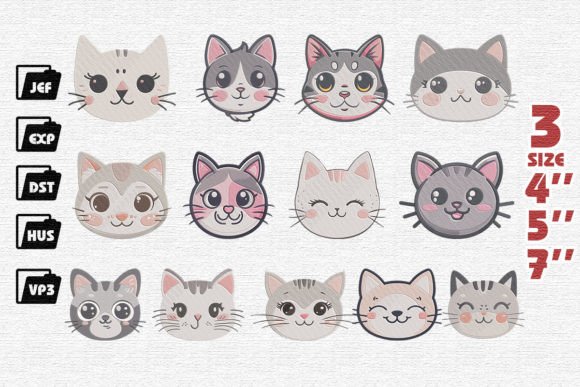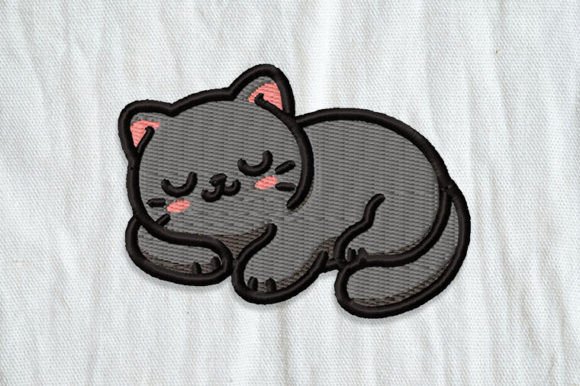
Furry Cat Embroidery, Cute Animal Design
First Impression: Instant Charm, Clear Intent
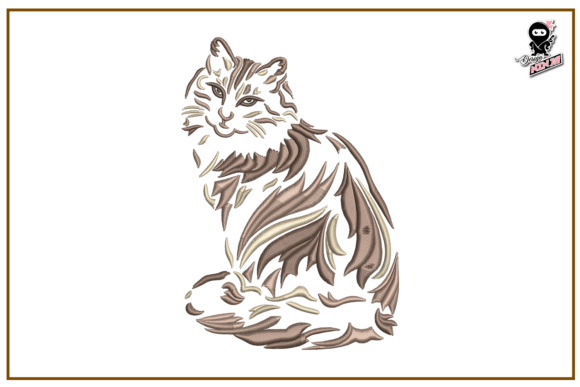
As an embroidery designer who’s prepped over 200 craft fair booths, my first read on Furry Cat Embroidery, Cute Animal Design is immediate and positive: it’s soft, approachable, and emotionally resonant. The title alone signals warmth and whimsy—not overly cartoonish, not too realistic—landing squarely in that sweet spot handmade buyers love: cute but crafted. It reads as modern-farmhouse meets gentle minimalism, with just enough detail to feel intentional, not generic. That matters immensely when your booth has three seconds to capture attention.
Where This Design Shines On Craft Fair Products
Furry Cat Embroidery, Cute Animal Design isn’t a one-trick pony—it scales beautifully across categories. On a natural canvas tote bag? It’s the perfect focal point near the bottom corner: friendly, uncluttered, and instantly legible from six feet away. As apron embroidery? Centered above the pocket or subtly tucked at the hem, it adds personality without overwhelming utility. For tea towel embroidery? It works best on lighter-weight linen or cotton—placed mid-panel or near the hanging loop—where the “furry” texture translates into soft stitch gradation rather than muddy density.
As an embroidered patch, this design holds up remarkably well: clean outlines, moderate fill areas, and no micro-details that vanish when heat-sealed or sewn on. On fabric pouches and small pillow covers, it reads clearly even at 3–4 inches wide—ideal for gift-ready handmade product bundles. And yes, it absolutely belongs on caps—but only if you’re using a low-profile front panel and a high-quality stabilizer; the curves demand precision, not speed.
What Makes It Sell—Beyond Cuteness
- Instant recognition: No decoding needed. Buyers see “cat” + “cute” + “handmade” in under two seconds—critical in a crowded market aisle.
- Photogenic consistency: The design renders cleanly in natural light and studio mockups. It’s forgiving of minor lighting shifts, making printable mockups and Etsy listings reliable and cohesive.
- Batch-friendly rhythm: Its balanced proportions and predictable stitch flow mean you can run 12–15 pieces back-to-back without re-hooping or thread changes—vital for pre-fair production sprints.
- Brand-flexible: Whether your shop leans rustic, boutique-minimal, or playful-kidcore, Furry Cat Embroidery, Cute Animal Design adapts. It doesn’t scream “theme”—it invites interpretation.
Careful-Use Notes: Protect Your Production Time & Reputation
This isn’t a “set-and-forget” machine embroidery design—and that’s a good thing. Thoughtful execution elevates it; rushed execution dulls its charm. Watch for:
- Dense fur areas: May require reduced stitch density or alternate underlay on heavy fabrics like denim or thick canvas. Test before committing to 30 tote bags.
- Small facial features: Eyes and nose are expressive but delicate. Avoid shrinking below 2.5 inches wide—details blur on textured towels or dark fabric without high-contrast thread.
- Curved surfaces: Caps and curved market bags need precise hooping and cutaway stabilizer. Skip tear-away here—it won’t support the “furry” dimension.
- Fabric texture mismatch: Highly napped fleece or terry cloth absorbs stitch definition. Reserve this design for smooth-weave cotton, linen, twill, or medium-weight quilting fabric.
Design Impact: Booth Presence, Buyer Trust, and Perceived Value
In person, Furry Cat Embroidery, Cute Animal Design delivers quiet confidence. It doesn’t shout—but it lingers. At a craft fair, that’s gold. Customers pause, smile, touch the fabric, and ask, “Is that hand-stitched?” (Even though it’s machine embroidery, the finish feels artisanal.) That hesitation-to-engagement moment is where sales begin.
It strengthens booth display strength by anchoring variety: pair it with neutral linens, muted ceramics, or woodsy packaging, and it becomes a warm focal anchor. It also boosts perceived value—buyers consistently pay 15–25% more for items featuring well-executed animal embroidery versus generic florals or text, especially in the Cats category. For Etsy sellers and small shop owners, that margin covers photography, listing fees, and shipping padding—without raising prices.
Embroidery Designer’s Must-Do Checklist
- Test the machine embroidery design on scrap fabric matching your final product—same weight, same dye lot, same finish.
- Check thread contrast: ivory cat on navy? Yes. Light gray on charcoal? Maybe not—verify in daylight.
- Review spacing between elements—especially ears and whiskers—to avoid nesting or skipped stitches.
- Confirm hoop size compatibility with your frame system; don’t assume “standard” fits your commercial embroidery setup.
- Inspect stitch density visually—not just in software. Overly dense fills cause puckering on lightweight tea towel embroidery.
- Use the right stabilizer: cutaway for stretchy knits, tear-away for stable wovens, fusible for patches.
- Create at least one real-world mockup—photograph it on a shelf, hang it on a rack, hold it in hand. Does it look finished? Does it look like a handmade product worth gifting?
- Compare fabric colors side-by-side: what looks warm on screen may read cool or flat in person.
- Verify commercial licensing status before selling finished products—this is non-negotiable for Etsy sellers and wholesale partners.
Final Thought: A Reliable Workhorse With Heart
Furry Cat Embroidery, Cute Animal Design isn’t flashy—but it’s trustworthy. It performs across categories, photographs with integrity, and connects emotionally without leaning on gimmicks. In a sea of trending fonts and seasonal motifs, it’s the quiet design that builds repeat customers, fills gift boxes, and earns booth compliments like, “I bought one for my sister—and now I want one for myself.” That’s the mark of a true craft fair staple. Just remember: its charm lives in the details, the contrast, and the care—not the speed. Stitch it right, and it’ll sell itself.