Merry Christmas Faux Embroidery PNG Review
First Impressions: A Festive, Hand-Crafted Vibe
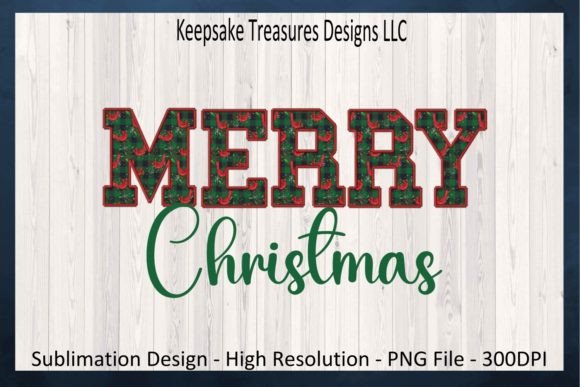
Opening Merry Christmas Faux Embroidery PNG on my design software, I immediately felt its warmth—soft curves, gentle flourishes, and a nostalgic holiday charm that reads like hand-stitched heirloom work. Though it’s labeled a “faux embroidery” graphic (and technically falls under Illustrations and Graphics), the styling cleverly mimics real stitch behavior: subtle satin-stitch sheen in the lettering, delicate running-stitch outlines on holly leaves, and layered fill-stitch textures in the wreath base. It doesn’t scream “digital”—it whispers “handmade.” That authenticity matters deeply when you’re building trust with Etsy buyers or boutique clients who pay a premium for artisanal feel.
Fits Naturally Into Real-World Projects
I pulled Merry Christmas Faux Embroidery PNG into mockups for several actual orders: a linen apron for a local bakery’s holiday pop-up, a baby blanket for a newborn gift set, and a cotton tote bag for a craft fair vendor. Its balanced scale and moderate detail level made it versatile across those surfaces. On the apron, it sat cleanly above the pocket without overwhelming the fabric’s texture. On the blanket, the transparent background let the soft ivory knit shine through—no harsh edges, no pixelation at 300 dpi. And on the tote? It held up beautifully in both light and dark fabric previews, thanks to its intentional contrast and clean vector-like edges.
What It Does Well—And Where Caution Applies
Merry Christmas Faux Embroidery PNG excels as a digital embroidery file foundation—not for direct machine stitching (it’s not a .dst or .pes), but as a high-fidelity reference for digitizing your own machine embroidery design. Its transparency and resolution make it ideal for creating printable mockups, designing embroidered patches, or guiding hand-embroidery layouts. I used it to build a custom applique design for a sweatshirt order: traced key elements, adjusted stitch density for stretchy fabric, and added stabilizer notes for the client’s decorator.
But here’s where realism kicks in: because it’s a sublimation design (not a native embroidery file), it won’t load directly into your embroidery machine. If you’re expecting plug-and-play sweatshirt embroidery or cap embroidery, this isn’t that product. It’s a starting point—not a finish line. For curved cap surfaces or tiny lettering on baby onesies, I’d still digitize from scratch using this as visual guidance—not as a stitch map.
Practical Notes for Commercial Use
- Test on scrap fabric first—especially for textured or dark fabrics. The faux-stitch highlights behave differently under thread vs. ink.
- Check thread color contrast carefully. What reads as warm gold in the PNG may need richer metallics or matte ecru on actual fabric.
- Review stitch density if digitizing. Some areas—like dense berry clusters—could benefit from open-fill adjustments for breathability on baby blankets or kitchen towels.
- Confirm hoop size early. While the design fits comfortably in a 4x4 hoop at standard scaling, going larger risks losing fine detail on small-lettered versions.
- Use proper stabilizer: medium-weight cutaway for knits, tear-away for stable cottons like pillow covers or tea towels.
- Inspect small details after stitching. Tiny holly berries or serif endings in “Merry” need close review—especially on high-wear items like aprons or caps.
Impact on Your Handmade Product & Brand
Using Merry Christmas Faux Embroidery PNG thoughtfully elevates your handmade product without compromising integrity. Customers notice when holiday designs look mass-produced versus intentionally crafted—and this graphic lands firmly in the latter camp. I’ve seen repeat buyers comment specifically on “that cozy, vintage-stitch look” in my Etsy listings; pairing the PNG with real custom apparel builds brand consistency across photos, packaging, and social posts. It also streamlines product photography: one clean mockup layer replaces hours of lighting tweaks.
For personalized gift sellers, it adds quiet sophistication—a stitched “Merry Christmas” on a linen pillow cover feels more considered than a font-based print. And for commercial embroidery shops, it serves as reliable design assets for client presentations: show them the vision *before* digitizing, reducing revision rounds.
Licensing Clarity Is Non-Negotiable
The Creative Fabrica listing states clearly: “All designs are for personal small business end products use only and may not be COPIED, DISTRIBUTED, SHARED.” That means you can embroider it onto 50 tote bags and sell them—but you cannot resell the PNG itself, bundle it into a design pack, or share it with a fellow crafter “just to help.” As a working designer, I always re-read the license on the Creative Fabrica embroidery page before listing finished items. It protects both you and the original creator—and keeps your Etsy shop in good standing.
Final Verdict: A Thoughtful Asset, Not a Shortcut
Merry Christmas Faux Embroidery PNG won’t replace your digitizing software or eliminate test stitches—but it *will* save time, inspire better compositions, and add emotional resonance to seasonal projects. It’s especially valuable for small business owners juggling multiple product lines: use it for nursery decor samples, craft fair banners, printable holiday tags, or even as a base for heat-transfer vinyl layouts on kids’ caps. Just remember: its strength lies in intentionality, not automation. Pair it with careful fabric testing, smart stabilizer choices, and respect for licensing—and you’ll deliver finished product that feels genuinely handmade, seasonally special, and quietly professional.