Mallard Duck Embroidery Design Review
A Playful, Polished Bird for Boutique Apparel
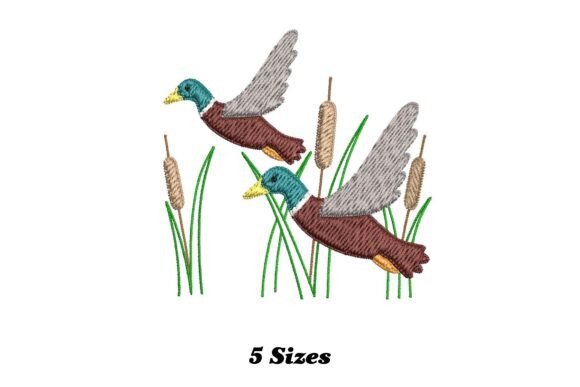
As an embroidery designer who’s developed collections for small clothing brands and Etsy sellers for over a decade, my first impression of the Mallard Duck machine embroidery design was immediate: it’s cheerful without being cutesy, detailed without feeling fussy, and balanced enough to anchor a chest placement or float elegantly on a sleeve. It leans into playful charm—think soft curves in the beak, subtle feather layering, and a relaxed posture—but avoids cartoonish exaggeration. That makes Mallard Duck feel premium yet approachable—a rare sweet spot for custom apparel.
Sweatshirt & Hoodie Performance: Where Quirk Meets Wearability
For sweatshirt embroidery, Mallard Duck shines on neutral heather grays, oatmeals, and charcoal hoodies. Its medium-scale proportions (ideal for chest or upper-back placement) hold visual weight without overwhelming the garment’s relaxed silhouette. On oversized hoodies, I’d place it slightly higher on the chest to maintain proportion—never too low where fabric pooling distorts stitch definition. For sleeve accents, the design’s compact width works cleanly on bicep or cuff placements, especially when mirrored on both sleeves for cohesive branding.
Dark garments demand attention to thread colors: rich forest greens, deep navy blues, and warm burnt oranges pop beautifully against black or navy fleece. But be mindful—dense fill areas (like the duck’s breast) can stiffen ribbed fabric or lightweight French terry if stabilizer isn’t chosen thoughtfully. A medium-weight cutaway stabilizer paired with a light tear-away topper keeps the texture soft while supporting stitch integrity.
T-Shirts, Denim & Totes: Versatility with Intention
On cotton tees, Mallard Duck reads as effortlessly lifestyle-friendly—ideal for spring capsule collections or weekend market booths. Its clean outlines and open negative space prevent “heavy” embroidery fatigue on lightweight jersey. For denim jackets, it adds just enough personality without competing with hardware or distressing. And on canvas tote bags? It lands perfectly—structured enough to read clearly at arm’s length, yet friendly enough to invite conversation.
That said, avoid placing Mallard Duck directly over seams, darts, or curved yokes unless you’ve tested stitching on a similar garment first. The beak and tail feathers are delicate enough that tension shifts on stretchy or uneven surfaces may cause minor distortion. Always test on scrap fabric pulled from the *exact* batch* of your production run—not just generic cotton or fleece.
Brand Identity & Customer Connection
For boutique brands building visual consistency, Mallard Duck offers quiet storytelling power. It doesn’t scream trend—it whispers seasonality, craftsmanship, and gentle individuality. That builds buyer trust: customers recognize intention behind the choice, not just decoration. On Etsy listings, pairing Mallard Duck with thoughtful product photography (e.g., a pastel hoodie draped over a wooden chair beside wild mint stems) reinforces authenticity. In social media graphics, it scales well for Instagram carousels and Pinterest pins—especially when used across matching sweatshirts, totes, and enamel pins in the same color palette.
Because it belongs to the Birds category—and stands out for its expressive simplicity—it helps differentiate a small shop from generic floral or script-heavy competitors. It feels handmade, not mass-produced, which elevates perceived value even on mid-tier apparel.
Practical Designer Notes Before You Stitch
- Test before committing: Run a full-stitch test on scrap fabric cut from your actual production garments—not just swatches. Fleece, brushed cotton, and ribbed knits behave differently under needle pressure.
- Stabilizer matters: Medium cutaway is safest for sweatshirt embroidery; lightweight tear-away works for stable cotton tees. Skip fusible web alone—it won’t support dense satin stitches long-term.
- Thread contrast is key: On dark fabrics, use matte poly or rayon threads with depth—not shiny metallics—so the duck’s form stays legible. Light backgrounds welcome tonal layering (e.g., olive green duck on sage tee).
- Hoop size & placement: Confirm the Mallard Duck embroidery file’s required hoop size before digitizing for multi-position runs. Chest placements benefit from centered alignment; back designs need extra margin for shoulder seam clearance.
- Review Creative Fabrica details: Double-check file formats included (DST, PES, etc.), recommended stitch density notes, and commercial license terms—especially if selling finished apparel. Licensing clarity protects your small shop product legally and professionally.
- Compare placement options: Try Mallard Duck at 85%, 100%, and 115% scale on printable mockups. Small chest placements often read better at 90–95%—it preserves detail without crowding logos or necklines.
Final Thoughts for the Handmade Business Owner
Mallard Duck isn’t just another Creative Fabrica embroidery download—it’s a considered design asset. It supports seasonal storytelling (think autumn layers, spring markets, cozy winter loungewear), fits seamlessly into lifestyle-focused branding, and performs reliably across fabric types when approached with basic technical care. For the Etsy seller launching their first hoodie line, the small clothing brand refreshing summer merch, or the embroidery shop curating digital files for clients—it delivers professional polish without demanding expert-level digitizing skills.
What makes it especially valuable for commercial embroidery is how quietly it elevates the finished product. Customers don’t just buy a sweatshirt—they buy a moment of warmth, whimsy, and quiet confidence. That’s the difference between decoration and identity. And in a crowded handmade market, that distinction is everything.